
The landscape of vegan and vegetarian options has significantly expanded in recent years, offering consumers a variety of animal-free alternatives that mimic the taste and texture of meat. Gone are the days when a veggie BBQ solely consisted of a bun with lettuce. It is crucial for consumers to be well-informed about the products they purchase, so here are three essential tips to ensure that your tofu ads are accurate.
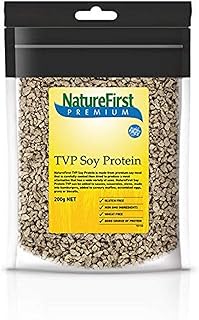
Firstly, it is important not to exaggerate claims in advertisements. An example is the investigation by the ASA into Burger King’s “Rebel Whopper” ads in 2020, where claims like “plant-based burger” and “100% WHOPPER. NO BEEF” were made. However, the patty was cooked alongside meat products, and the burger contained egg mayonnaise, leading to a ruling that the ads were misleading to consumers seeking vegan and vegetarian options.

Secondly, the use of language is crucial. While UK law prohibits using the term “milk” to promote non-dairy products, there are currently no restrictions on terms like “burger,” “steak,” or “sausage” for plant-based alternatives. The context in which these terms are used must make it clear to consumers that they are purchasing plant-based foods.

Furthermore, health claims in advertisements must comply with the regulations set by the Great Britain Nutrition and Health Register. Advertisers must have evidence that their products meet the conditions for any health claims made. Claims solely based on a product not being derived from animals are not acceptable. Generic health claims like “a healthier choice” can only be used alongside authorised health claims.
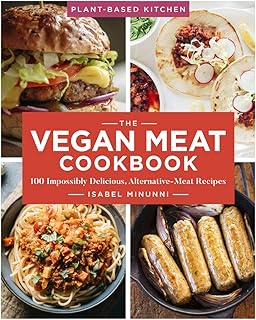
For further guidance on food-related issues, consumers can refer to the advice and resources provided. The Copy Advice team is available to offer tailored advice on non-broadcast ads, ensuring compliance with advertising standards and regulations.

The growing popularity of soy-based meat alternatives reflects a shift towards more sustainable and ethical food choices. As the demand for plant-based products continues to rise, it is essential for advertisers to be transparent and accurate in their marketing to build trust with consumers.

In an era where environmental concerns and health considerations play a significant role in consumer decision-making, the advertising of meat-free products carries a responsibility to provide clear and truthful information. By following the guidelines and best practices outlined by regulatory bodies like the ASA, advertisers can navigate the evolving landscape of plant-based foods successfully.
As the market for soy-based products expands, advertisers must adapt to meet the demands of an increasingly health-conscious and environmentally aware consumer base. By adhering to advertising standards and regulations, companies can effectively promote their meat-free offerings while fostering consumer trust and loyalty in a competitive market.
📰 Related Articles
- Mastering Vegan Baking: Tips for Delicious Plant-Based Treats
- Vegan YouTuber Embraces Plant-Based Protein Challenge
- Vegan Leather Market Booms with Sustainable Growth Prospects
- US Plant-Based Protein Market Thrives Amid Health Consciousness
- True Gamers Expands Presence in Saudi Arabia’s Growing Esports Market