
Many common foods contain hidden dairy ingredients, which can be surprising for those with lactose intolerance or following a dairy-free or vegan diet. Registered dietitian Anna Taylor, RD, LD, highlights the importance of scrutinizing food labels for dairy derivatives. While milk, yogurt, and cheese are obvious dairy sources, other products like salad dressing, lunch meat, and even chocolate may contain dairy.
Butter and margarine, often overlooked as dairy sources, can contain milk derivatives like whey or lactose. It’s crucial to check labels carefully, as some products labeled as “nondairy” may still include milk allergens such as casein. For those seeking dairy-free alternatives, vegan margarines are widely available in the market.

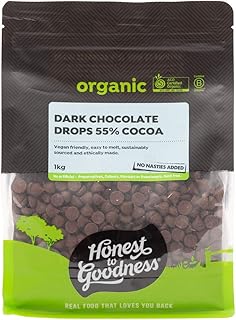
Chocolate lovers may be surprised to learn that many chocolates, including milk, white, and some dark varieties, contain dairy. Even seemingly innocent foods like bread and crackers can harbor lactose or whey, making label reading essential for those avoiding dairy.

Baked goods like cookies and cakes commonly contain dairy ingredients such as butter, milk, or yogurt. Fortunately, there are numerous dairy-free and vegan options available, both in stores and online. Plant-based ice creams made from coconut or soy milk offer a delicious alternative to traditional dairy ice cream.

When it comes to frosting, most commercial varieties contain milk or cream. However, simple dairy-free alternatives can be made at home using powdered sugar and water, with the option to add flavorings like food coloring or extracts.

Surprisingly, products like hot dogs, sausages, deli meat, instant mashed potatoes, salad dressings, and flavored potato chips can also contain hidden dairy ingredients. Even seemingly innocuous items like canned tuna, soups, gum, and medications may include lactose or casein, making it crucial to read labels diligently.

It’s not just milk that those avoiding dairy need to watch out for; various milk derivatives like casein, curds, whey, and lactose can hide in food products. These ingredients, common in many processed foods, must be declared on labels due to milk’s status as a top allergen in the US.
For individuals with lactose intolerance or following dairy-free diets, understanding the myriad sources of hidden dairy is essential for making informed food choices. By carefully examining labels and being aware of common dairy derivatives, it is possible to navigate the food landscape successfully while avoiding dairy-containing products.
📰 Related Articles
- Discover Venice’s Hidden Gems with Tracy Chevalier’s Insider Tips
- Zurich Rock ‘n’ Roll Madrid Marathon: Gold Label Excellence
- Zanzibar Safety Guide: Tips for Secure and Enjoyable Travel
- Yogurtland Expands Dairy-Free Menu with Probiotic Options
- Winton Races: Expert Tips and Selections for Exciting Day