
The severe drought in Australia has significantly impacted soybean production, leading to fierce competition among producers for the limited crop. This scarcity has triggered warnings of price hikes in soy products, adding to the already rising costs of essential food items like bread, dairy, and red meat.
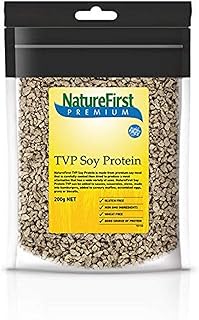
Historically, during the Millennium Drought, the demand for soy-based products was relatively low compared to the current scenario. However, with the increasing popularity of plant-based foods in Australia, the shortage of soybeans has caused prices to skyrocket. Queensland traders have reported a substantial increase in prices over the past few seasons, reaching $1,500 to $1,600 per tonne.

The global demand for plant-based alternatives has surged, with soymilk emerging as a popular dairy substitute. Reports indicate that soymilk holds a significant market share in the alternative milk category, although almond milk’s popularity has been rapidly rising in recent years.

Domestic soybean processors in Australia are facing intense competition for the limited local crop, exacerbating the impact of the drought on industries dependent on Australian soybeans. The Australian Oilseeds Federation highlighted the challenges faced by local industries due to the soybean shortages, emphasizing the detrimental effects of the prolonged drought.

In response to the dwindling domestic supply, companies producing soy-based products are collaborating with sugarcane growers in far north Queensland to bolster soybean availability. This strategic shift aims to mitigate the production constraints caused by the drought in traditional soybean-growing regions.

As the drought continues to hamper soybean production in Australia, the need for imports has surged. The Department of Agriculture reported a notable increase in permits for soybean imports in 2019, reflecting the growing reliance on overseas sources to meet the demand for soy products.

A significant challenge faced by Australian manufacturers is the preference for non-genetically modified (GM) and organic soybeans. With the majority of the US soybean crop being genetically modified, local companies committed to non-GM ingredients are exploring overseas sourcing options to maintain product quality standards.
The impact of the drought on soybean production is evident in the stark decline in national output, with NSW experiencing a notable drop in production levels. To address the supply shortage, Australian companies are navigating complex import processes to secure organic soybeans from international markets.
Overall, the soy crop crisis in Australia underscores the far-reaching consequences of climate-related challenges on agricultural production and food industries. The need for innovative solutions and sustainable practices is crucial to mitigate the impact of droughts and ensure the resilience of the agricultural sector in the face of climate uncertainty.
📰 Related Articles
- Startups Innovate Sustainable Coffee and Chocolate Alternatives Amid Price Hikes
- Sri Lanka Cancels School Exams Amid Paper Shortage Crisis
- Russian Biathletes Struggle Amid Rifle Cartridge Shortage Crisis
- Expert Forecasts Surge in Australian Electric Vehicle Adoption Amid Oil Price Volatility
- Cafe Industry Crisis: Oversaturation Sparks Insolvencies and Price Pressures