
The South Australian Government has stirred controversy by implementing a ban on advertisements for fortified soy milk and rice cakes, categorizing these products as “junk food” in a move aimed at promoting healthier choices. This new policy, which took effect recently, extends to a range of food and beverage items that are now prohibited from being promoted on state-owned assets, sparking confusion among consumers and industry stakeholders alike.

Fortified soy milk, a plant-based alternative made from soybeans and enriched with essential nutrients like calcium, vitamin B12, and vitamin D, has been a staple in many households. Brands like So Good, a prominent player in the fortified soy milk market, have received top ratings under the Health Star Rating system, emphasizing their nutritional value.

Expressing concerns over the ban, the Australian Association of National Advertisers (AANA) CEO, Josh Faulks, emphasized the need for a more evidence-based and transparent approach to such regulatory decisions. Faulks highlighted the importance of clarity in defining the criteria for labeling products as “junk food,” urging for a framework that is rooted in scientific principles to guide advertising restrictions.

According to Faulks, the lack of clear guidelines from the government has led to ambiguity, leaving businesses unsure about which products fall within the banned category. He stressed the importance of establishing a comprehensive and objective list to provide certainty to industry players and avoid further confusion among consumers.
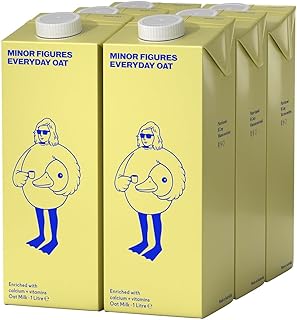
Furthermore, Faulks cautioned that the policy could have unintended consequences, potentially undermining public trust in health-related campaigns and sending mixed messages about nutrition. By discouraging the consumption of products widely recognized for their nutritional benefits, the government risks creating a counterproductive narrative around healthy eating habits.

To address the prevailing uncertainty, the AANA has advocated for the adoption of the Nutrient Profiling Scoring Criteria developed by Food Standards Australia New Zealand (FSANZ), an independent agency responsible for setting national food standards. By aligning with established nutrient profiling standards, Faulks believes that a more consistent and informed approach can be adopted to guide advertising regulations and support healthier food choices.
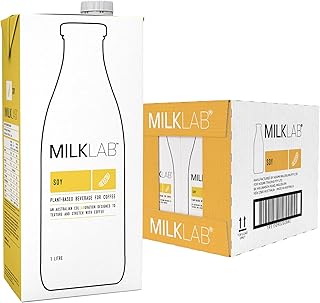
Moreover, Faulks raised concerns about the potential economic repercussions of the policy, pointing out that local farmers producing alternative milk sources like oats and almonds could be adversely affected by the government’s stance on promoting certain products over others. The shift in consumer behavior driven by such advertising restrictions may have broader implications for agricultural sectors and related industries in South Australia.
In light of these developments, the debate surrounding the classification of soy-based foods and dairy alternatives as “junk food” underscores the need for a nuanced and evidence-based approach to public health policies. Balancing consumer choice with nutritional considerations remains a key challenge for policymakers, as they navigate the complex landscape of dietary preferences and regulatory interventions in promoting healthier lifestyles.
📰 Related Articles
- Whip Controversy Surrounding Jockey Alvarado’s Kentucky Derby Win Sparks Debate
- Wedding Cake Smashing Sparks Relationship Controversy and Concern
- War Hero’s Stolen Medals Returned by South Australia Police
- Verstappen-Russell Clash Rocks Formula 1: Penalty Sparks Controversy
- Unsweetened Soy Milk Emerges as Top Nutritious Dairy Alternative