
A new $4.3 million non-GMO soybean breeding program is set to revolutionize opportunities for producers and processors in Canada. Spearheaded by NRGene Canada, Pulse Genetics, Hensall Co-op, and Yumasoy Foods Ltd., this initiative focuses on developing early-maturing, high-protein soybean varieties tailored for Canada’s northern climates.

The project aims to bridge the yield gap between GMO and non-GMO crops by creating varieties that offer improved yields, resistance to soybean cyst nematode (SCN), and enhanced adaptability to diverse environmental conditions. Protein Industries Canada has invested $1.9 million in the project, with industry partners contributing $2.4 million.

Pete Giesbrecht of Pulse Genetics emphasizes the importance of crafting regionally adapted food-grade soy varieties with unique traits to add value and broaden market opportunities for Canadian farmers. Hensall Co-op, another key player in the consortium, aligns the project with their dedication to innovation and agronomic excellence.

Brad Grabham, General Manager for Food Products and Strategic Business Development at Hensall Co-op, highlights how the initiative supports their commitment to meeting stringent quality and functional standards set by global soy food and beverage partners.

The first phase of the project focuses on breeding new non-GMO soybean varieties, while the subsequent phase will involve developing a novel soy-based plant protein product. This concept entails using extruded whole non-GMO soybeans to create high-protein meat-like shreds retaining the bean’s full nutrient profile, catering to mainstream protein markets like tofu, chicken, pork, or steak.

The $4.3 million endeavor aligns with Protein Industries Canada’s ambitious “Road to $25 Billion” vision, aimed at propelling Canada’s plant-based food, feed, and ingredient sector into a $25 billion industry.
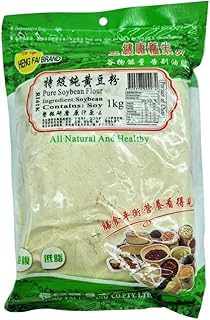
This initiative signifies a significant step forward in sustainable agriculture and the food industry, emphasizing the growing demand for non-GMO soy products in the market. With consumers increasingly seeking healthier and environmentally friendly food options, the development of these specialized soybean varieties addresses a pressing need in the industry.
Experts foresee a positive impact on the Canadian agricultural landscape, with the potential to enhance the competitiveness of local farmers in both domestic and international markets. By fostering innovation and sustainability in soybean production, this breeding program sets a precedent for future advancements in crop development and food processing.
As the global food industry continues to prioritize transparency and traceability in sourcing ingredients, the introduction of identity-preserved non-GMO soybean varieties underscores a shift towards more ethical and sustainable agricultural practices.
📰 Related Articles
- Canadian Farmers Launch $4.3M Project to Boost Soybean Sector
- Yale Nursing Initiative Revolutionizes Education for Disabilities
- Washim District Transformed by Organic Chia Farming Initiative
- WHO Launches ‘3 by 35’ Initiative to Increase Health Taxes
- WHO Develops Lenacapavir Guidelines to Enhance Global HIV Prevention