
A recent University of Toronto study has shed light on the consumption of soy foods in postmenopausal women, dispelling myths surrounding soy and cancer risks. The study, which analyzed data from 40 randomized controlled trials involving over 3,000 participants, found that soy’s estrogen-like compounds did not impact key markers of estrogen-related cancers. This finding supports the safety of soy as a dietary option and a potential therapeutic agent.

Health advocacy groups, including the Canadian Cardiovascular Society, have long recommended soy foods as part of a healthy diet due to their high-quality protein content and benefits for heart health. National health agencies like Health Canada and the US FDA have also acknowledged the role of soy in reducing the risk of heart disease. Additionally, soy consumption has been linked to alleviating menopausal symptoms such as hot flashes, which can significantly affect women’s quality of life during this phase.

Professor Laura Chiavaroli, the senior author of the study and an assistant professor of nutritional sciences at U of T’s Temerty Faculty of Medicine, emphasized the dual benefits of soy for postmenopausal women, particularly in reducing the risk of cardiovascular disease. Despite concerns about soy containing isoflavones, which mimic estrogen, the study’s lead author, PhD student Gabrielle Viscardi, highlighted the importance of clarifying misconceptions surrounding soy consumption.
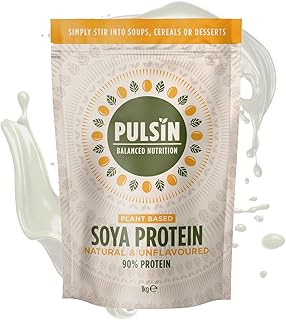
The researchers’ systematic review and meta-analysis focused on four biological outcomes related to estrogen-dependent cancers in postmenopausal women. These outcomes included measures of estrogen status, uterus lining thickness, and hormone levels. The trials, conducted globally, compared the effects of soy isoflavones with non-isoflavone controls over a minimum of three months.

Based on their evaluation of bias and evidence quality, the researchers concluded that soy isoflavones did not influence the estrogen-related markers studied. This suggests that soy isoflavones interact differently with estrogen receptors in the body compared to human estrogen, potentially offering benefits for cardiovascular health while posing no risk to the female reproductive system.

Viscardi, who is also a registered dietitian, explained that the unique biological activity of soy isoflavones makes them a viable alternative to hormone replacement therapy (HRT) for managing menopausal symptoms. Chiavaroli pointed out that individuals at higher risk of estrogen-sensitive cancers or cardiovascular diseases might find soy foods a valuable addition to their diet, offering symptom relief without the potential risks associated with HRT.

Aligning with Health Canada’s dietary guidelines that emphasize plant-based proteins, the study aims to encourage people to include soy foods in their diet without fear of increasing cancer risk. The researchers hope that their findings will empower individuals, especially postmenopausal women, to make informed dietary choices that support their overall health and well-being.
📰 Related Articles
- Soy Consumption Safe and Beneficial for Cancer Patients: Expert
- Thin Endometrium Not a Barrier to IVF Success: Study Finds
- Study Reveals Women in Bangladesh Embrace Menstrual Hygiene
- Study Reveals Preferences for Reusable Sanitary Products Among Women
- Study Reveals Menstrual Hygiene Challenges Among Indian Women