
Soy sauce, a versatile and popular condiment, has a rich history dating back to Ancient China. Made from fermented soybeans, wheat, salt, and water, soy sauce has become a staple in East and Southeast Asian cuisines, with Japan being one of the largest consumers of this savory seasoning.

The global soy sauce market has seen significant growth, with the Asia-Pacific region leading the industry. However, North America has shown a rising interest in soy sauce, with a substantial number of households stocking this pantry essential.

Over the years, soy sauce production has evolved, with traditional methods giving way to modern techniques that may include additional ingredients for flavor enhancement and shelf life extension. It is essential for vegans to check labels carefully, as some commercial soy sauces may contain non-vegan additives or cross-contamination risks.

While soy sauce is high in sodium, it can be a flavorful alternative to table salt. Consuming soy sauce in moderation can offer health benefits, such as supporting gut health, the immune system, and potentially aiding in digestion. However, it is crucial to be mindful of sodium intake, especially for individuals looking to reduce their salt consumption.

There are various types of soy sauce available, including light, dark, double-fermented, sweet, and tamari. Each type offers a unique flavor profile and consistency, catering to different culinary preferences and recipes. Finding the best vegan soy sauce involves exploring different varieties to suit specific dishes or dietary needs.
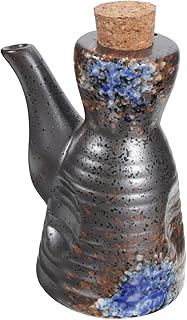
Brands like Kikkoman, Lee Kum Kee, Clearspring, San-J, and Amoy offer a wide range of soy sauce options, from traditional to organic and gluten-free varieties. These brands are widely available in supermarkets and online stores, making it convenient for consumers to access quality soy sauce products.

As the demand for plant-based pantry items continues to rise, the availability of vegan soy sauce reflects a growing trend towards sustainable and ethical food choices. Whether used as a marinade, seasoning, or dipping sauce, soy sauce remains a versatile and essential ingredient in modern culinary practices.
📰 Related Articles
- Tamari: The Gluten-Free Soy Sauce Revolution in Modern Cuisine
- Traditional vs. Modern: Ranking Soy Sauce Brands for Quality
- Exploring Unconventional Ice Cream Pairings: Soy Sauce and Beyond
- Exploring Diverse Soy Sauce Options for Culinary Creations
- Taiwan’s Soy Industry: Rich History and Modern Innovations
📚Book Titles
- Lost Horizons: Exploring the Rise and Fall of Ancient Civilizations
- The Rise of the Digital Soldier:: Cyberwarfare in the 21st Century
- Luck Explored: Intersections of Science, Philosophy, and Chance in the Human Experience
- Digital Exposure: Unmasking the Hidden Perils of our Privacy in the Information Age