
Informing other parents about your child’s food allergy is crucial to ensure their safety and well-being. It is essential to communicate effectively to prevent potential allergic reactions, including severe cases like anaphylaxis, which can be life-threatening. Children with allergies must understand the importance of not sharing food to avoid risks.

With over six million American children having food allergies, including common allergens like peanuts, milk, eggs, soy, and more, the need for awareness and precautions is paramount. Parents of allergic children often worry about the food brought into classrooms by other children, as even a small amount of allergen can trigger a severe reaction.

Many schools have allergy policies in place, particularly for tree nut and peanut allergies. While some parents are vigilant about these rules, others may not fully grasp the potential dangers of food allergies if their child is not affected. This lack of awareness can lead to inadvertent sharing of allergenic foods or cross-contamination, increasing the risk for allergic reactions.
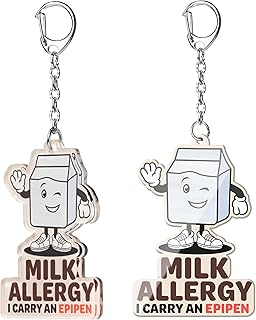
Food allergies in children can vary in severity, with some lasting a lifetime while others may diminish over time. Symptoms can range from mild to severe, including skin reactions, respiratory issues, gastrointestinal problems, and in rare cases, anaphylaxis. Anaphylaxis is a serious allergic reaction that requires immediate medical attention to prevent fatal outcomes.

Educating parents and children about food allergies is crucial for creating a safe environment. Sending a personalized letter to parents, rather than an email, can effectively convey the seriousness of the situation. The letter should outline your child’s specific allergies, the risks involved, and practical steps parents can take to prevent accidental exposure.

It is essential for parents to communicate with their children about the importance of not sharing food with allergic classmates. By fostering understanding and empathy among students, the risk of allergic reactions can be significantly reduced. Parents should also be mindful of the foods they bring to school events and parties, ensuring they are allergen-free or providing alternative options for allergic children.

Overall, raising awareness about food allergies and promoting a supportive environment within schools and communities is key to ensuring the safety and well-being of children with allergies. By working together and taking proactive measures, parents can help create a more inclusive and secure environment for all children.
📰 Related Articles
- Xolair Approval Marks Milestone in Food Allergy Treatment Innovations
- Swiss Speeding Duck Amuses Authorities, Raises Traffic Safety Awareness
- Surge in Child E-Bike Injuries Sparks Safety Concerns in Australia
- St. George Police Address Safety Concerns Over Child Scooter Use
- Schools Struggle with Ban on Homemade Treats Amid Safety Concerns